View on seller's websitePrices and availability are updated daily. Please confirm on the seller's website before buying.
AMD Radeon RX 9060 XT Challenger 8GB OC
DZD 107,900
View on seller's websitePrices and availability are updated daily. Please confirm on the seller's website before buying.
Description
| Characteristic | Specification |
|---|---|
| Boost Frequency | Up to 3290 MHz (compared to 3130 MHz as a reference) |
| Game Frequency | 2700 MHz |
| VRAM memory | 8 GB GDDR6 on a 128-bit bus |
| Units of calculation | 32 Compute Units (2048 stream processors) |
| Accelerators | 3rd generation RT and 2nd generation AI |
| Interface | PCI Express 5.0 x16 |
Design and Cooling
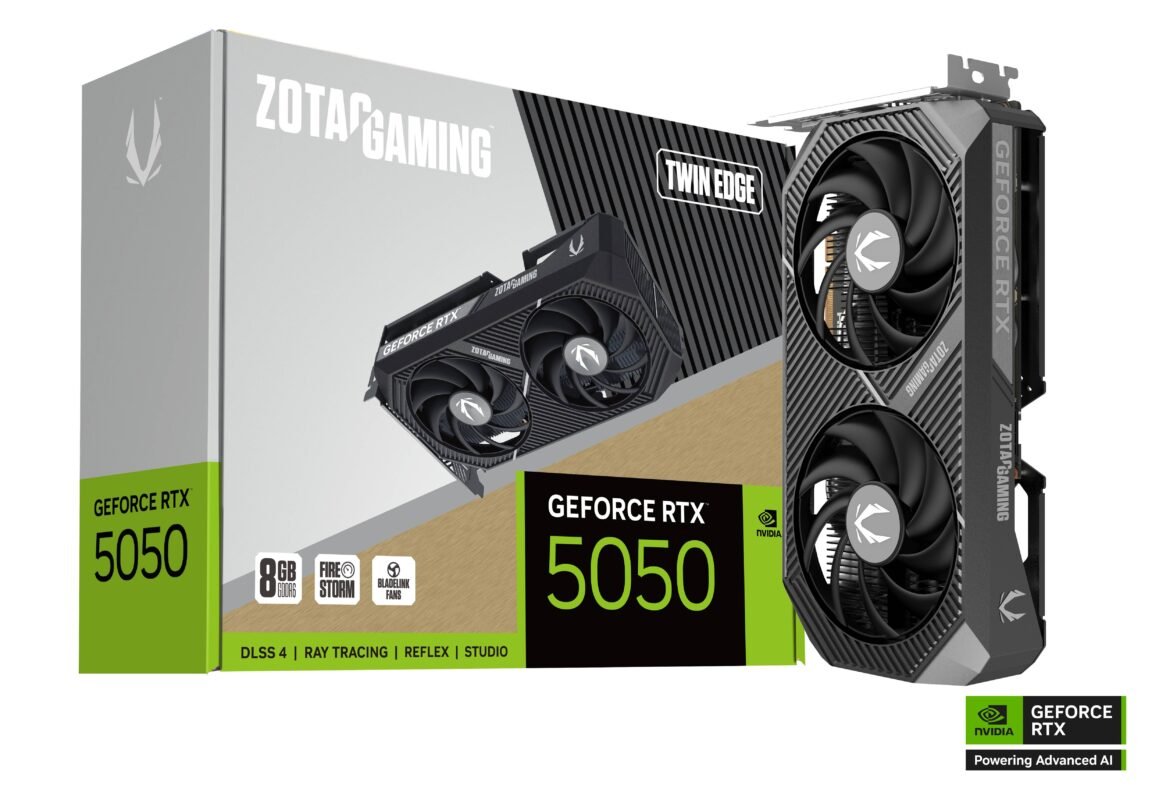
The Challenger range relies on a simple and efficient design to maintain prices close to the MSRP. [1, 2]
- Dual Fan System : Equipped with two grooved axial fans to optimize airflow.
- 0dB mode : The fans stop during light loads for total silence.
- Construction : Includes a stylish metal backplate and an LED indicator with a physical On/Off switch.
- Dimensions : The card measures 249 x 132 x 41 mm (2-slot format) and weighs approximately 645 g. [1, 2, 3, 4, 5, 6]
Power and Connectivity
Review and Performance
Although powerful for its category, the 8GB version is the subject of debate regarding its longevity compared to the 16GB version.
- Performance : It surpasses the older RTX 3050 8GB and closely rivals the RTX 5060 , sometimes dominating in terms of cost per frame.
- VRAM limitation : Some testers recommend opting for the 16GB version to avoid stuttering in future AAA games, as 8GB can become a limitation, even in 1080p with high settings.
- Cooling : Although it only has two fans, the card remains at acceptable temperatures because the 9060 XT GPU does not overheat.